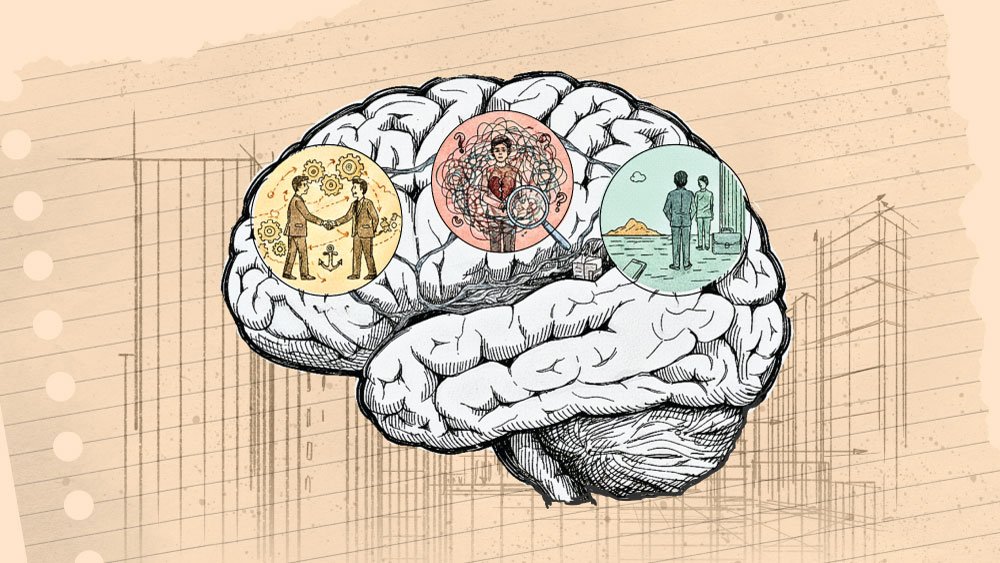
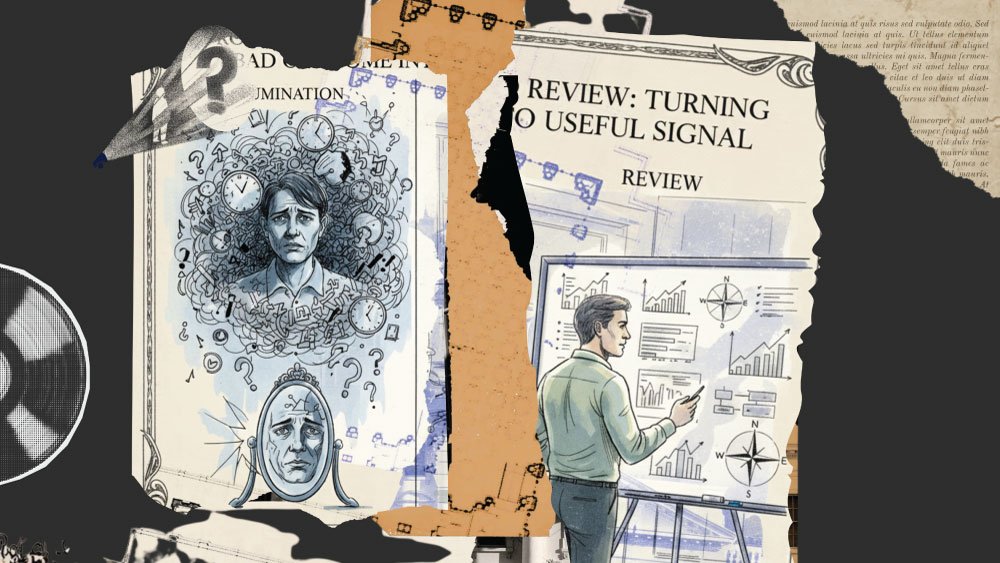
The way you stay safe with people (anxious, avoidant, secure) often echoes in how you approach risk, partners, and positions. Seeing the pattern clearly, without judgement, can explain a lot of “mystery” behaviour in negotiations, diligence, and exits.
What do we mean by “attachment style”?
Attachment style is simply your default way of managing closeness, uncertainty, and trust. Under pressure, those same reflexes show up in business:
- Anxious: comfort-seeking, quick to act to reduce uncertainty.
- Avoidant: independence-seeking, prefers distance and control.
- Secure: comfortable with closeness and space, tolerates ambiguity.
No labels, no diagnosis, just a language for patterns you may already notice.
How patterns surface in capital decisions
- Information & updates:
- Anxious: frequent check-ins, reassurance through activity.
- Avoidant: long solo analysis, loops others in late.
- Secure: steady cadence, collaborative when needed.
- Anxious: frequent check-ins, reassurance through activity.
- Risk & timing:
- Anxious: trims winners early (“lock it in”) when markets wobble.
- Avoidant: exits to avoid conflict or entanglement, even when the thesis holds.
- Secure: follows pre-set criteria; can hold through discomfort.
- Anxious: trims winners early (“lock it in”) when markets wobble.
- Negotiation tone:
- Anxious: over-explains, rushes to close gaps.
- Avoidant: keeps conversations narrow, avoids tough back-and-forth.
- Secure: explores interests on both sides, holds frame without heat.
- Anxious: over-explains, rushes to close gaps.
Short, industry-true examples
Growth investor (anxious lean).
During a choppy quarter, they trimmed two strong positions early, citing “sleep better,” then hunted for fresh names to regain a sense of control. The P&L said “fear of uncertainty,” not “bad analysis.”
Founder-operator in a roll-up (avoidant lean).
They ran diligence largely alone and accepted vendor terms quickly to “keep it smooth.” Later, undisclosed liabilities surfaced, less about knowledge, more about avoiding hard conversations.
VC partnership (secure mix).
They held a simple rhythm: pre-meeting notes, calm discussion of base rates, and clear “change-my-mind” criteria. Fewer swings in conviction; more consistent execution.
These aren’t right or wrong, just predictable under stress.
Gentle signs you can observe (no fixing required)
- Do quiet periods make you urgent or avoidant?
- Do you feel safer with more activity or with more distance?
- When a deal tenses up, do you default to over-communication or under-communication?
- Which is harder for you: holding a good position or staying in a tough conversation?
- After a decision, do you seek relief or review?
Even one clear answer can explain a lot of past behaviour.
Reflection prompts (use once, then revisit quarterly)
- A recent high-stakes moment: What did I feel in my body (tight chest, jaw, heat, numbness)?
- My first move: Did I move closer (messages, calls, trades) or further (silence, solo work)?
- What that move buys me: Relief? Control? Space? Clarity?
- Impact on the decision: Did it improve the thesis, or just change how I felt?
- What I’d like to practise next time: One sentence, e.g., “I can sit with uncertainty for a little longer while I review facts.”
This isn’t about forcing a different move; it’s about choosing it consciously.
Why awareness helps (even without “tools”)
- It reduces self-blame: “Oh, that was my safety reflex,” not “I’m irrational.”
- It explains team friction: different safety moves, same goal.
- It protects good theses: you’re less likely to act just to feel better.
- It clarifies communication: you can say, “I need a day to think,” or “I need one concrete update,” instead of reacting.
A note for teams and partners
Assume different attachment reflexes exist around the table. You don’t need to change anyone just name the needs:
- “I do better with a set update time.”
- “I think best after I’ve sat with the memo.”
- “I’m comfortable with a slower yes if the base rates are strong.”
Clarity lowers temperature and raises quality.
Attachment patterns aren’t flaws; they’re old safety strategies. When you can see them, you don’t have to be them and your capital decisions start to reflect today’s reality, not yesterday’s reflex.
Book a 15-minute “Performance Edge Audit.”
We’ll map your current decision habits, pinpoint the patterns costing you most (dysregulation, dopamine loops, money stories, attachment reflexes, or review gaps), and install one simple, customised protocol you can use the same day.